Arthur C. Helton Memorial Lecture: Navigating Today’s Humanitarian Challenges
Event date
Speakers
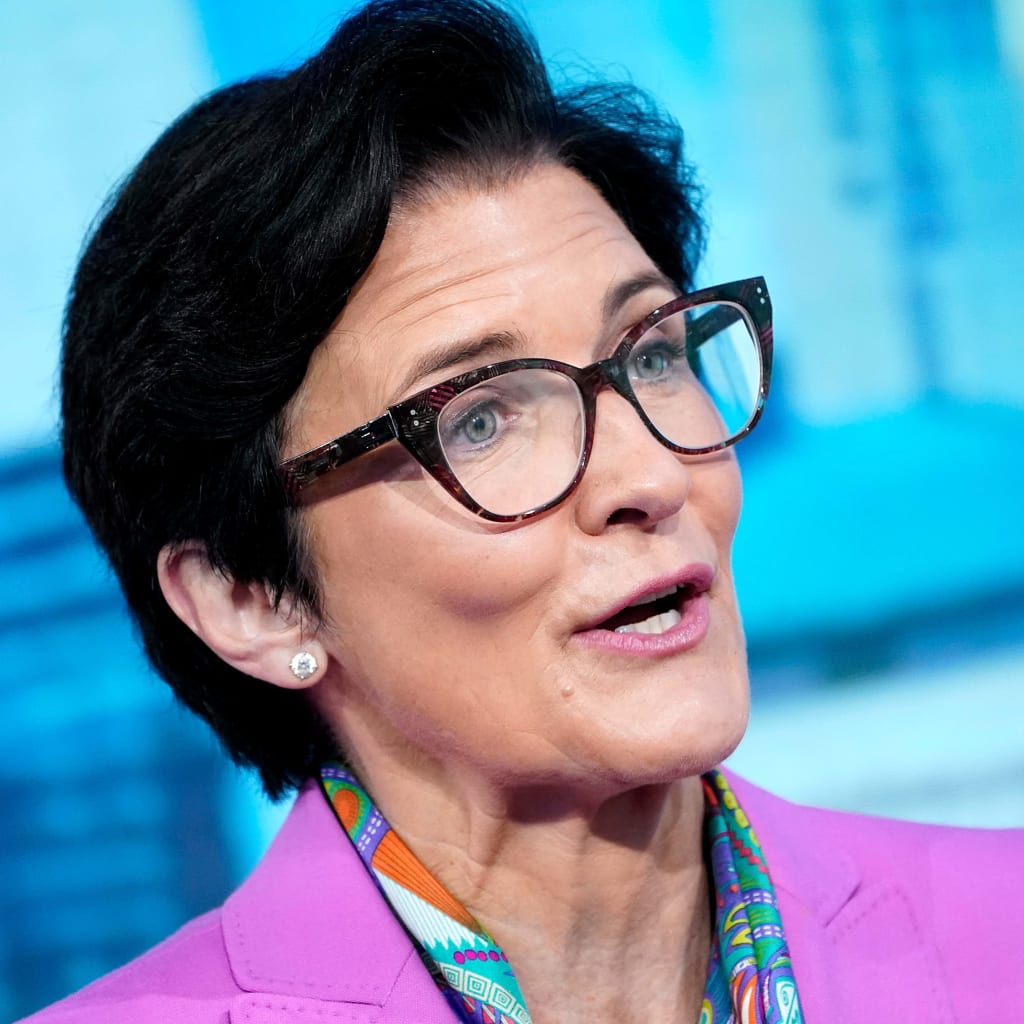
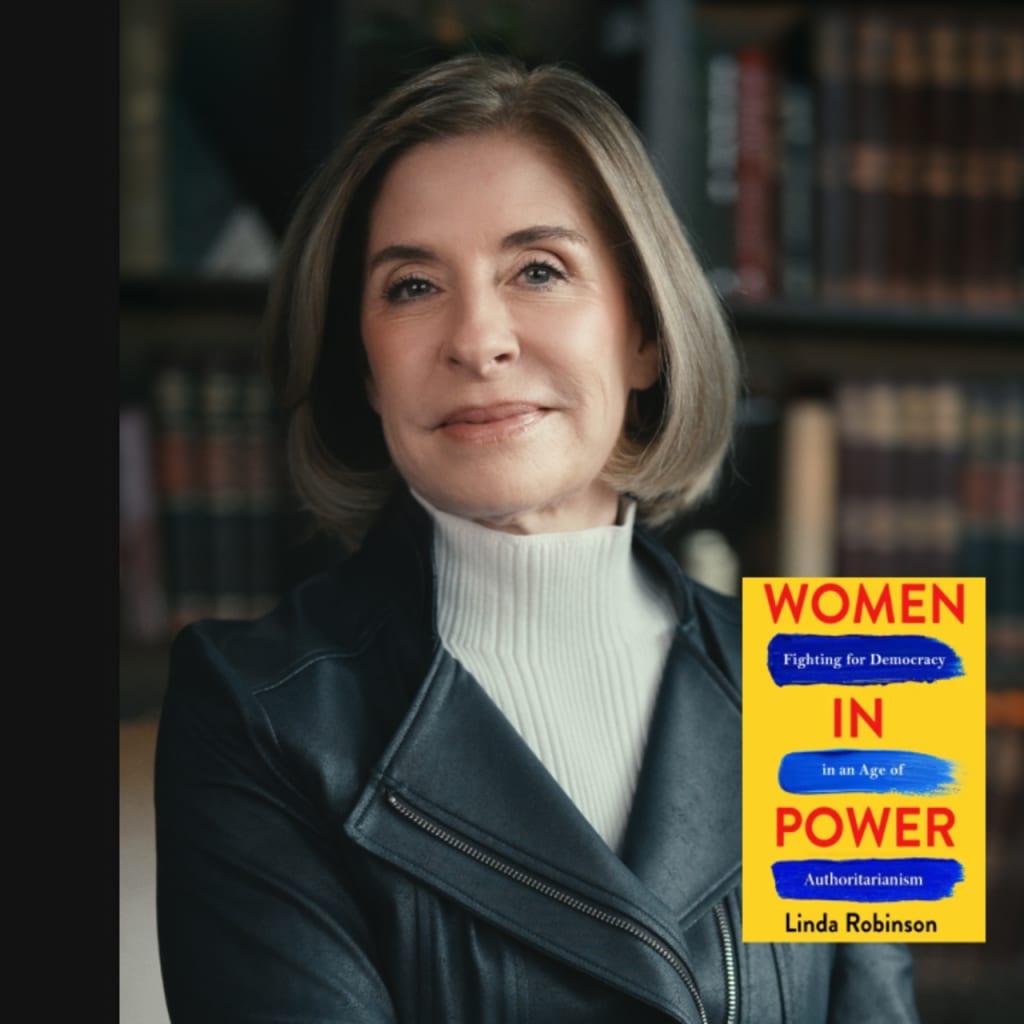
- President and Chief Executive Officer, Save the Children USA
- President and Chief Executive Officer, CARE; CFR Member (speaking virtually)
- Chief Executive Officer, Mercy Corps; CFR Member
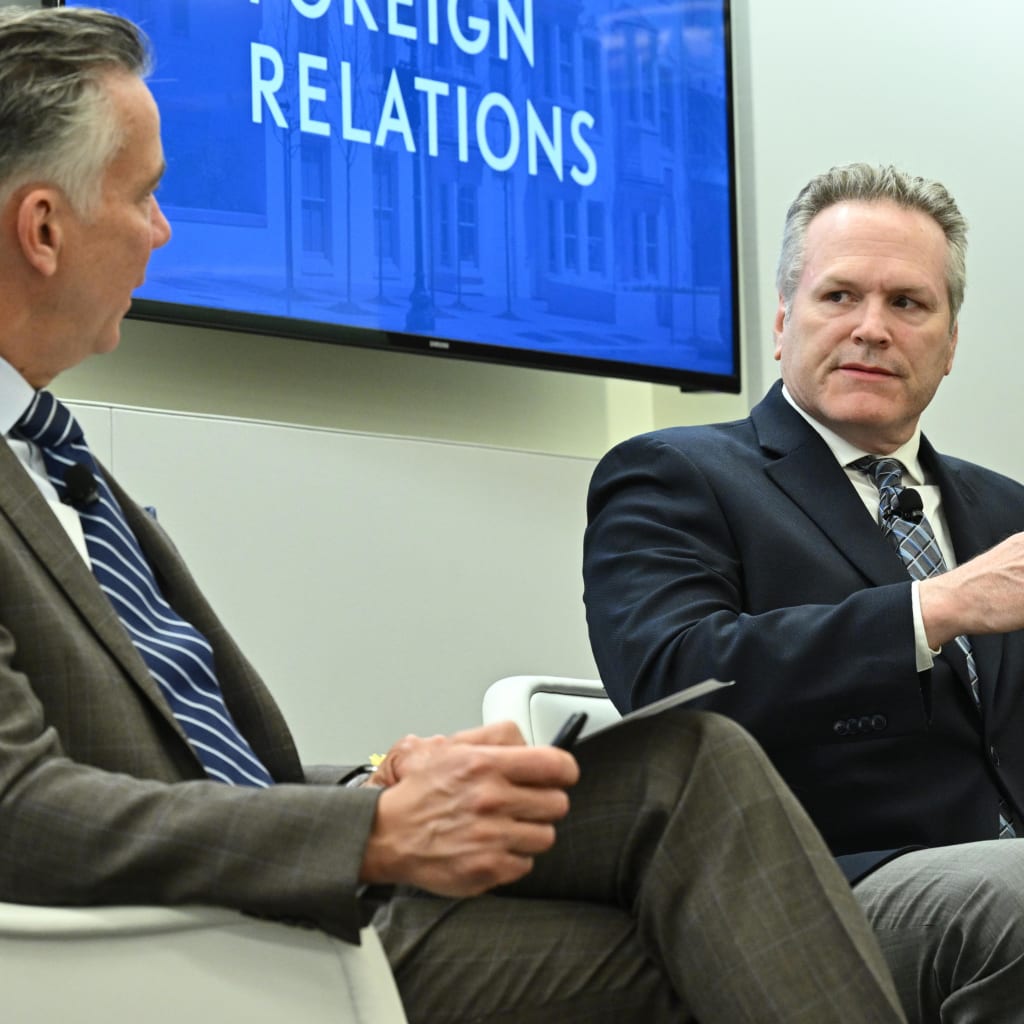
Presider
- Chief Executive Officer, VisionSpring; CFR Member
The CEOs of three of the world’s leading humanitarian organizations—Mercy Corps, CARE, and Save the Children USA—examine the world’s most pressing human rights and humanitarian challenges, and what global NGOs are doing to address them.
The Arthur C. Helton Memorial Lecture was established by CFR and the family of Arthur C. Helton, a senior fellow at the Council on Foreign Relations who died in the August 2003 bombing of the UN Headquarters in Baghdad. The Lecture addresses pressing issues in the broad field of human rights and humanitarian concerns.
GUDWIN: Hi there. All right. Welcome. It is a beautiful summer afternoon so we are going to talk about hard things in difficult places with ladies who get things done. I just want to acknowledge that there are three women who make things happen around the world on behalf of refugees and those who are suffering from humanitarian crises and rapid onset emergencies.
Just to get us started, we are on the record today so anything you say can and will be used against you. We are here with the Arthur Helton Memorial Lecture, and for—does anyone need to know Arthur? Yeah. OK, wonderful. I want to acknowledge that Jacquie Gilbert, his widow, and his daughter, Pamela Krause, are with us remotely, so hello. I had the privilege of meeting Arthur myself as well. Arthur was an incredible champion for refugees and those suffering from conflict and died in Iraq now in August 19 of 2003. So it feels that we’re in an odd full circle moment finding ourselves in conflict now in Iran because he was there in Baghdad at the time trying to solve the crises there.
So with us we have Michelle Nunn, who is in D.C. Michelle is the CEO of CARE. We also have Tjada McKenna from Mercy Corps and Janti Soeripto from Save the Children.
We’re going to have a conversation for about thirty minutes or so, then we’ll open it up to questions. If there’s anything that you particularly want to make sure we cover and somebody else is talking about it, raise your hand and we’ll make sure to try to pile questions in together because there’s a lot to cover.
I want to begin by acknowledging that we are in a moment of very many crises. We have the expansion of the conflict and destruction in Gaza with impunity into West Bank and Lebanon. The war in Iran is spurring energy crises that are leading to—threatening economic recession and political pressures around the world.
We have acute food emergencies in Sudan and Somalia, an Ebola outbreak in the DRC that is pushing into neighbors including in Uganda. And if anybody hasn’t seen it yet, we are about to begin the super El Niño season. We’re in a super El Niño year.
All of this is happening with the backdrop of the funding collapse, not only with the dissolution of USAID but we are now in the third year of bilateral funding contractions coming out of Europe and other countries.
So with that as our context, I want to begin there, and Michelle, if we could start with you. Eighteen months ago, USAID was torn to pieces. There is a little bit of funding that has been tucked into the State Department that remains.
Can you give us the magnitude of these cuts? What does still remain and how accessible is it to you? What does it mean for an organization like CARE and how has it impacted your ability to respond in these last months?
NUNN: Yeah, thank you so much, and I hope that you all can hear me OK, and I’m not larger than life or too loud.
GUDWIN: We got you.
MCKENNA: You’re OK.
NUNN: I’m worried about that, yeah.
Well, I am sorry to not be there with my colleagues and friends, and I am actually in Europe so I’m disappointed to, again, not be with you all but—and I know that we all share in gratitude for this kind of a gathering to speak to the difficult but challenging and incredibly important moment in which we stand from a humanitarian perspective, and certainly in recognition and in honor of Arthur Helton and his legacy of impact and service.
Yes, I mean, you’ve well—you’ve well articulated the enormity of the challenges that we face, and CARE is actually just this past month celebrating eighty years of history and I can’t think of a more challenging time than what we face actually in this moment and right now.
And look, you know, you can look at the—whether it’s the Lancet’s predictions about the consequences of potentially losing 14 million lives in the coming years if the aid cuts continue at the level that they were initially placed.
It’s been a catastrophic—as you—and as you articulated, it’s not just the U.S. government, it’s also other governments that are cutting back in such significant ways and, you know, I can help bring that to life from a CARE perspective because we’re anticipating that our budget will be approximately half of what it was just eight months ago, and what that looks like when you look at, you know, both the cuts and also the enormity of the challenges including inflationary forces, the difficulty of securing food based upon the conflict in Iran, and a whole host of other challenges is, it means that, for instance, we were serving in Somalia, as just one example, 300 children around malnutrition. Now we only can serve eighty.
If you look at the numbers and you can look at what, you know, the U.N. is estimating, they’re trying to triangulate so that we can get to, you know, approximately half of those who are in need of humanitarian assistance, and what that means is not only that, you know, there’s been estimates about the number of hundreds of thousands of people that have already died as a result, direct or indirect, but it also means that there’s just this sort of, I would say it’s—I fear that it will be invisible but devastating suffering in the world.
And when I say invisible, I just mean that means that, you know, millions of people that were dependent upon humanitarian assistance, instead of having one—instead of having three meals they’re having two meals or they’re having one meal and, you know, just a fraction of what’s actually necessary, and if you think about the long-term implications of that from stunting to any number of challenges—and Janti can speak about this from both an educational and also a youth and child development perspective—the consequences are grave and long and, obviously, it’s the human suffering but it’s also the cost in terms of security, whether it’s health security, economic security, or national security.
So we are all, I know, and we’ll talk about this, finding new ways of operating, and whether that’s collaboration, as the three of us are doing in new ways or whether that’s new forms of market-based approaches or innovation or technology, but you can’t sort of hide or run from the brutal reality and constraints in which we currently stand.
GUDWIN: And part of that brutal reality is this philanthropy can’t—I mean, philanthropy has stepped up but it will never fill in the magnitude of that void and—
SOERIPTO: Well, I don’t know. Anyway, I disagree, but we can talk about it.
GUDWIN: OK. Oh, interesting, so OK. So let’s go to that.
So if—so one of the elements of things that has disappeared is a lot of support for local organizations, and Save the Children and all of you work very closely with many organizations in the communities or in the countries that are affected.
Can you talk, Janti, a little bit around the impact on your partners and local governments and what you have seen, what that means for what has been lost in terms of delivery capacity and leadership, and then maybe jump in on what you just said about where you are seeing philanthropy helping to fill the gaps.
SOERIPTO: OK. So look, local partners, Michelle is absolutely right. We’ve seen a tremendous capacity leave the system, as they speak, and when we say the system it feels so amorphous, but it is essentially fewer nurses and doctors, fewer hospitals, fewer basic health care clinics in incredibly fragile contexts, fewer schools open, right?
Save the Children was serving 80,000 kids in the eastern DRC in schools. Those schools are gone. They’re no longer there. Those kids are not in school. There was nobody there to pick them up.
There was no private sector miraculously coming to the rescue here creating a market where there was none. Those kids are not in school. Malnutrition treatment centers in Somalia we’ve managed to keep a third open of the, I think, hundred and thirty that we had, and the third that was kept open actually were kept open because of philanthropy stepping up. But the two-thirds are gone, right?
I’ve been in nutrition centers in Syria, in Darfur, where the surrounding areas there were a number of clinics that had closed, so then all of a sudden you see a huge incoming volume in the ones that are left, which are then, of course, overwhelmed because they were never built for that scale, et cetera, et cetera.
So no, no, no. This is real. This is already happening, and hundreds of thousands of lives have been lost, and I think what’s also happened is because you’ve lost the nurses and the midwives and the doctors and the teachers, you know, you can’t just switch it on either.
Anyway, so that’s what’s happening, and local partners—and we all work with thousands of them—they have suffered more. They didn’t have reserves to pick up any slack to, you know, save the children. All the three of us are privileged, I would say, first and foremost.
Yes, it was hard. We lost 30 percent. We lost thousands of staff. We made thousands of people redundant as we were terminating these programs, you know, in a chaotic atmosphere, but we had reserves.
GUDWIN: Right. Right.
SOERIPTO: We had an endowment fund. We had a board that said, OK, we’re going to continue to invest in certain programs, in fundraising and critical operational elements. We have working capital to bridge a gap, to keep those clinics open where we had to. Local partners didn’t have that. I think they collectively had an average reserve base of $60,000 or something.
GUDWIN: So we’ve seen many shutter and—shutter and disappear.
SOERIPTO: Yeah, shutter, disappear.
GUDWIN: Yeah.
SOERIPTO: Some of it will, you know, continue as volunteers, I think, to some extent but it’s not at the scale and the capacity that we need.
GUDWIN: Can you overlay that on Ebola for a minute?
So the Ebola—because we’re—the early detection systems, the local partners, government leadership, in terms of being able to jump on that response. Can you play out this contraction of local response capacity as we’re seeing it in the Ebola crisis now?
SOERIPTO: Yeah, which is—of course, is a horrible and tragic and really scary, actually, example of what happens when you completely undermine the system.
So our country director in the DRC tends to say to me, we are in day hundred and twenty of the response but we’ve only known about it for about twenty-five days. That is what’s happened. We think—we think, we’re not sure—that patient zero was somewhere end of January.
So this thing has gone on undetected in—throughout, you know, dozens of communities and schools and, arguably, in transport, and that’s why you see it pop up in, you know, cross-border instances. The blood tests—the right blood tests for the right strain, Bundibugyo strain, weren’t available in the eastern DRC. That’s why it wasn’t picked up because they kept looking for something else. If it isn’t Ebola what is it?
Then the right test was done in Kinshasa many weeks later and then they figured out, oh, it is Ebola, and now there is no treatment and there wasn’t a vaccine for this particular strain, right? It’s a less common one.
So all these things, it’s a perfect storm, right? No local—much less local capacity, a CDC, and a USAID or where there used—where there used to be a response mechanism of people who would then completely come out and actually set up a response. WHO, who would—
GUDWIN: WHO lost 6,000 staff in the last year.
SOERIPTO: There you go, exactly. So all of these mechanisms either in terms of detection or in early response have been weakened.
GUDWIN: Yeah.
So, Tjada, let me—let me come to you in the, and Michelle had alluded it, in times of crisis and in this case resource contraction, the constraint creates space for innovation. It creates the requirement for collaboration.
CARES, Save, and Mercy Corps have all worked side by side for decades, and you are coming together with an impact alliance. Do you want to just talk about what prompted that and what the early conversations looked like?
MCKENNA: Yeah, thank you.
With the collapse—you know, the U.S. government just accounted for an enormous percent. It was 40 percent of the entire humanitarian infrastructure, and when the U.S. government had this precipitous retreat, I think there were things—there were—some of the effects of that surprised everyone.
People just did not realize how dependent they were on the U.S. government. So, for example, like, the entire supply chain for fortified—for plumping up, for, you know, malnutrition, a lot of that was tied up in U.S. contracts.
FuseNet, the system that we use to predict famines, that was all run and administered by the U.S. Many governments were reaching out. They had no idea to what extent their health care systems were being bolstered by U.S. spending.
And so I think there were a lot of ways where we saw supply chains disrupted, things that we took for granted. In many of the countries we work, many of the areas we work, we are reliant on the U.N. humanitarian air services to get us to those locations. That was heavily funded by the U.S. government. So those flights went down.
So a lot of things that we weren’t even thinking about. So the—we saw—our three organizations combined reach over 200 million people a year across a hundred and ten countries. So, you know, we looked at—you know, we’re three organizations collectively would have a huge scale and are all—and are watching not only funding but a system in terms of how people get things done also collapse and struggle under the burden of that.
And so the conversation—you know, we could all, like, go to our corners and try to raise money to save this or that and, obviously, we’ve all had to do that. But the reality is we’re facing a situation where there are more needs in the world today than ever.
There are—over 300 million people in the world are in need of humanitarian assistance. That is way more than there have ever been. But yet, resources are going away, and the reality is the private sector—others can help but just the scale, the volume of government funding, just can’t do it.
I haven’t been at the Gates Foundation for quite some time but I remember at one point all of the money the Gates Foundation was spending in a year did not equal what the L.A. Unified School District’s budget was.
So if you think about that as, like, the largest philanthropy versus, like, the scale of these things that we’re talking about, it’s really hard to compare. So we, the three of us, after—we were talking a lot with a lot of our peer colleagues daily at some point, comparing notes, trying to figure out a plan of attack, and the three of us came together and said, look, like, you know, we’ve always collaborated at country level and worked together.
We’re like, look, are there ways that we could come together on one side around efficiencies and figuring out how we let our resources go farther? But on the other side, given the scale that we have, are there ways that we could do more programmatically than we could do on our own.
So from an efficiency point of view, we have gotten together and we’ve really created a platform here. So the three of us also have over 2,300 partners, most of those local organizations, and one of the pieces of work we did showed that there’s actually very little overlap in the number of local organizations—the local organizations we work with. So that’s, like, 2,300 distinct local organizations.
So on the efficiency side we’ve created—we’re creating a procurement platform to do joint procurement and logistics to save money.
On the programming side, other things will come up. But two things that we’re excited about, there are proven innovations at scale that we know work at scale so an effort for us to work with national governments and local partners to really scale innovations that are known and have worked.
So, for instance, very small cash incentives can increase childhood immunization rates by six times, so what can we collectively do with local governments and local organizations.
The other thing we’re excited about is really trying to put more power in the hands of local communities so that the resources going into them really reflect what they want and the things that they’re saying. So we’ve all done needs assessments or talked to communities to build our programs.
But there hasn’t been an effort collectively at scale to really talk to communities about what their needs are, what they would like to see in their own language and their own ways of approaching, and to actually to take that and to be able to provide it at a scaled level but also to equip the communities to use that themselves for their own advocacy.
So those are just a few of the things that we have going. But the idea is that the whole system is undergoing just a massive shift and being rebuilt as we’re trying to still operate, and so what can we—how can we use our scale and our reach to accelerate that or to build new pathways that more people can latch onto.
GUDWIN: So one of the things that’s in all the conversations is AI. The humanitarian sector is not exempt from that, and in terms of looking for efficiencies and speed, if I could come back to Janti on where—and it’s also this idea of sensing and customer feedback from the communities that you’re serving.
What are the different ways that you’re thinking about using AI? How do you think about sharing tools amongst yourselves? Where is it promising and where is it, like, a no-go?
SOERIPTO: Yeah. Well, it only took us fifteen minutes to get up to that word. (Laughter.) So I think well done. I think, look, we’re looking at this to—I think the opportunities are vast, first and foremost. I’m, in that sense, really an AI optimist, whilst of course we need to be careful.
Look, we work with vulnerable children. You know, no one is more aware of the risk of data breaches than I think children. So I think where AI can help us at scale either predict or personalize or scale, those are the areas where you really want to use it, right, and that can happen in, I think, three different ways.
One is does it help you on your operational side? So we’ve got now somewhat at scale an initiative running where we do proposal development with AI. First draft saves 30 percent of time. It’s massive, right? Sounds super unsexy but it really works.
Donor reporting, same thing, right? Because all these donors, 2,000 different formats, essentially all the same thing. Can you—so those are some really sort of operational back-office-y type interventions.
GUDWIN: Can I ask NGO leaders in the room, how many of you are using back-end AI?
I think the number is, like, 97 percent of us are starting to use AI for back-end office—yeah, yeah.
SOERIPTO: Yes. Yes, so that’s fantastic.
So then on the consumer-facing, donor-facing pieces, where I’m sure you are too experimenting all the time, right, your brand has to be findable in a non-SEO—search engine optimization—world. You have to make—you can use it to optimize your messaging to whom. That massively, massively increases your effectiveness, right? It takes costs out, and it gets you better response rates at the same time.
Now, of course, one of the bit of the Holy Grail is how do you use it for programmatic intervention, right, and that’s where the three of us have had the most conversations, right? If we’re talking about community feedback, local dialects, local languages, is there a way to get there faster and at scale for—with marginal cost if you would use, you know, AI agents to help you.
GUDWIN: And we’re talking about agents. Are we talking, like, chatbots? Are we talking about other—
SOERIPTO: Yeah, that’s right. So those are things that we’d love to do. I think all of us have had—and we welcome sort of offers from the room here or ideas—there’s a lot of talk about AI for good. I have yet to see it materialize at scale and with real intention, to be perfectly honest.
GUDWIN: So lots of promise, early experiments.
SOERIPTO: Lots of promise. Really hard to actually get significant partnerships going with the pure AI players.
GUDWIN: Michelle, if I can come to you on this point about predicting.
So some of the—there’s been a huge effort in the last decade on whether it’s predicting outbreaks or predicting rapid onset emergencies, so cyclone seasons coming and the like or famine early alerts, and when we’re approaching even the scale towards genocide to be able to give us indications of how bad and severe things are.
You know, you all have worked in—so maybe if we could hold on to the AI thing if that’s still relevant there but, you know, whether it’s Sudan or Gaza and the West Bank or Afghanistan, Somalia, you’ve all worked in all of these places.
Where do you see the early response and the prevention efforts holding their ground and where do you see some of the erosion there because the funding isn’t available? So even though the flag is going up, the cavalry is not arriving to be able to help, even though we’ve got the signal?
NUNN: Yeah, I mean, look, I think there’s some good news and there’s some bad news here.
The good news is that with AI tools utilized in new ways from weather prediction to any number—you know, to even issues of predictive analysis as it relates to fragility and insecurity, you have the opportunity to potentially preemptively engage and ensure. As Janti and Tjada have both alluded, we know that with early action you can save lives and you can be much more cost effective.
And, you know, just as one example, it’s estimated that if we get cash in the hands of people before a disaster hits forty-eight hours before, it’s up to seven times more cost efficient and impactful than if you get it to them forty-eight hours afterwards. So that’s on the, you know, possibility, hope side of the equation.
I think the challenge is, as Janti has suggested, we’re not yet seeing the sort of massive utilization of AI at scale deployed against the world’s biggest challenges here from a humanitarian perspective.
That would be an opportunity for us from an impact alliance because we believe that through our platform we could be a great partner to take some of those solutions and be sort of transformational.
But, of course, the second thing that is necessary is anticipatory action you have to have resources to invest and so we’ve just literally cut out the sort of floor. So we have, you know, challenges going through the ceiling. We’ve cut out the basic foundational capacity of our humanitarian infrastructure at large.
And so I think we’re going to have to pair new forms of technology with the capacity to resource then what could be more efficient and more effective and more impactful interventions.
But you can’t just anticipate something but have no resources to respond to it and think that that is somehow going to be a victory. And I would—I mean, I would just sort of point out, I think sometimes we don’t do a good enough job of talking about some of the solutions.
You know, in a place—the Horn of Africa is an example where each of us have spent, you know, time over the last years, you can see that although the droughts and the challenges, even from a conflict perspective, in some sense have been compounded, we’ve actually been able to stave off famine and the very worst devastation as a result of impactful humanitarian assistance in partnership with governmental action, local governmental, and global international cooperation.
You know, we’re at a moment right now where we literally have pulled back all USG funding or virtually all from Somalia, as an example. So what will happen in the coming seasons as we look to, you know, literally millions of people that are now on the edge of starvation and potentially could result in a kind of massive famine.
So, again, there’s hope and there’s also challenge.
GUDWIN: Can I jump in and also just ask you, you mentioned cash disbursements and let’s just tie this to food assistance for a minute and famine response.
One of the biggest shifts over the last decade have been the reduction in direct—in shipping food versus cash disbursements. Can you just describe the magnitude of that change and what that looks like in terms of cash disbursements for aid?
NUNN: Yeah. I mean, I think at this juncture, I mean, CARE started with the shipping care packages to, you know, post-World War II Europe. I think we’ve learned over the decades while that was, you know, a meaningful intervention at the time, that we can create and develop more market-based capacity for delivery of humanitarian assistance, and the more local that capacity and delivery is, the better, more efficient, more impactful, and more resilient you enable communities to be.
We also have gone from the delivery of that kind of food that is brought to a community to the capacity for people to have direct cash delivery and that can come in any norm—any set of forms, voucher. We were actually distributing in Somalia we were just talking about as a—through voice-activated kind of data analysis that really does enable people to make the best choices and, of course, they are going to use their resources most effectively to do what is required of them to help their families survive.
So I think we—even though we still, I think, have some room to grow from a humanitarian sector perspective in terms of the percentage of cash allocation, that has been the trend and the trajectory, and I think it’s one that we’ll continue to see, again, hopefully, if governments and institutional and other forms of funders are focused on what is most evidence-based and what’s most impactful.
GUDWIN: And if I’m not mistaken, World Food Programme—I think it’s 60 percent of World Food Programme’s assistance is now cash, just to put it in perspective. And I’ve got GiveDirectly—I can see Maureen in the back. So if anyone wants to know about cash transfers, GiveDirectly is also there.
Tjada, let me come back to you, and then we’ll come to Q&A here and follow your interests. But just going back to prevention and early action, what do you see as some of the—looking forward, some of the things that you’re watching where you think the prevention and early action signals are really, really important and that your—and that Mercy Corps is responding to?
MCKENNA: One of the sad—one of the things that is counterproductive in this moment is that the U.S. government and a few others are insisting on funding things that are only emergency life-saving aid and, of course, that’s the intervention at the point where it’s most risky, least effective, most expensive.
And so these early action things are especially important so I wanted to reemphasize the point.
GUDWIN: It’s like the emergency room versus the primary care physician, yeah.
MCKENNA: Yeah. And even in those cuts with the programming, then we were forced to cut staff that were actually, like, working with communities to build the pipeline for these responses.
The other thing that ties in your question with the cash question is that, you know, people—when emergencies hit, when crisis hits, people want to stay and, like, make things work where they are and so local markets are still functional in most disasters.
Like Sudan—in Sudan the local markets have been fabulous and then really some of the only ways to get through. So cash, like, gives people that agency, but also it’s very effective and we’ve actually even—part of the early action is giving cash grants to small business owners and people that buy farm produce to give people incentives to continue to farm or to have markets for their products so that people can make a livelihood for themselves through these crises.
There are a couple of places that have been, especially when it’s a climate-related disaster, like, there have been a lot of things with early action that are great. We talked about getting cash to populations. We’ve been working with H&M Foundation and others with partnerships with remittance companies so that when you see disasters coming or a hurricane coming, you can flip a switch and give, like, OK, fee—encourage people to send remittances home during that situation—cut fees to do that.
We also have seen a lot of advances in micro insurance and different ways that you can trigger payments when certain weather index things hit. So for pastoralists in the Horn of Africa perhaps you’d like—you know, you could trigger a payment once you kind of can sense that vegetation is below a certain level to help people get through the lean season or to encourage people to start culling their herds ahead of time.
So I think this early action and getting people to act before is quite relevant in weather-related events and something that can be done quite easily. Also just helping people prepare and move.
GUDWIN: Yeah. Know it’s coming. The point about remittances—if I’m not mistaken, remittances are the single largest form of aid and they just often don’t get counted that way. So I’m so glad you brought that up.
SOERIPTO: Three times formal ODA.
GUDWIN: Three times, yeah.
MCKENNA: Especially in countries like Somalia, Central America, like, you see the impact of remittances right in front of you. People are reliant on them.
GUDWIN: And the most generous nations are the sub-Saharan African nations in terms of neighbors helping neighbors.
MCKENNA: Yes. My staff in Sudan—I was just there two months ago—they are—all of them, almost every single person has been displaced from their home working in different regions of the country. Many of them were the ones, like, that have stayed behind because they can earn income to send to their family that’s in Egypt or Saudi Arabia or elsewhere.
GUDWIN: Yeah. So there’s so many things we could cover, but we’re curious what you’d like to talk about. So questions or thoughts from the room? Yes, please.
Q: Great. Thank you so much for the great discussion. It’s a pleasure to be here at the CFR. I’m a huge fan of their work. So I’m Ted Rosner. I’m from Mount Kisco, New York. It’s nice to meet you all. Thank you for having me.
So my question for you guys is what are your groups doing or the organizations doing about what’s going on in the Middle East in terms of the conflict because of what’s going on over there? And thank you.
MCKENNA: So all three of us are very active in Gaza. So from the beginning of the conflict, so all of us have staff and people in Gaza and the West Bank, and in fact, before eighteen months ago we thought that was, like, the most stressful things had gotten for us. So we all, like, are active in those regions continuing to support.
Obviously, I think all of us have a strong presence in Jordan and Lebanon and other places so really trying to help populations that have moved. We were all active in Syria. A lot of people had been repatriating back to Syria already from Lebanon and other places—I know Yemen. So we are all very active in the Middle East and continuing with cash programming, like, food assistance where we can. In Lebanon right now, basic shelter kits and other things to keep people that the population is so displaced.
But the other effects of the wars in the Middle East that maybe aren’t as talked about, we really support—Mercy Corps did a few weeks ago around the impact of the Strait of Hormuz closures on food insecurity.
So the prices of fertilizer and fuel have gone up 60 (percent), 70 percent in many of the countries that we serve and in East Africa and other places, and so really, especially some of this coming at planting season where people are having a hard time getting access to fuel and fertilizer, like, we see some looming hunger issues in other parts of the world coming as a result of this, trying to stave that off, trying to prepare populations for that.
GUDWIN: And then—and then that with the increase in the fertilizer and the agricultural inputs colliding with the El Niño.
MCKENNA: That’s right.
GUDWIN: And so the arid regions are going to get more arid and the flooding regions are going to get more flooded.
Yeah. Yeah.
SOERIPTO: Yeah. Actually, I don’t think we need AI to help predict that that is going to be a pretty big disaster in months. So that famine bow wave out of both El Niño as well as the war in Iran are massive. So we have to prepare for that, not just in the region directly impacted by the war, but also in other countries which are more susceptible and actually a lot of those are in Asia.
GUDWIN: Yeah. Janti, can you just give us a little bit of a view on Gaza and West Bank and maybe Lebanon? What footprint is there? How is aid actually moving in? What does that look like over the last—like, what did it look like maybe two years ago and what does it look like by comparison now?
SOERIPTO: Well, that’s a long and windy road.
MCKENNA: A long sigh.
SOERIPTO: So I would say access is nowhere near where it should be. Our ability to get stuff in—stuff and people in to respond is nowhere near where it should be.
Having said that, all of us have dozens if not hundreds of local staff on the ground, both in Gaza and the West Bank, Lebanon, where we’ve been since 1978 or something. So—and our colleagues are going out every day to do the work that we’re here to do to save lives and help children.
We’re getting supplies sometimes in through partners, through—sometimes through the U.N., sometimes through partners both in Gaza and in the West Bank. Lebanon, access is a little easier. Again, there is more of a funding issue because we know what to do. We can respond. We have responded within five hours in Lebanon.
But then where’s the follow-through funding that would normally come if this was the biggest crisis du jour, which it would have been, you know, even five years ago.
GUDWIN: Yeah, yeah, for sure.
Yeah, please.
Q: My name is Maureen White, and I’m chairman of the board of Refugees International and a senior fellow at SAIS.
I don’t have a question. I simply want to commend you all. It is heartening, I have to say—I get goose bumps when I think about it—that you have used this really, really horrendous crisis to find a way to work together, to be more collaborative, to be more efficient. It’s just a very, really, very, very impressive development in our sector, and I thank you for it.
GUDWIN: Thank you. (Applause.)
Yes, please. Coming back here, the gentleman on the edge there.
Q: Good afternoon. I’m Hadrien Coumans from Lenape Center.
I just want to make a comment, and forgive me, I’m coming from a different area of the world in terms of my work. But if every single social media, TikTok, Instagram user in the Western world was able to contribute, let’s say, $10 per year towards a specific collaborative effort for fundraising, that could turn out to be upwards of $8 billion, and somehow I feel like there’s an invitation there that’s in waiting to empower young people to create some kind of campaign and work in collaboration with these very social media companies where, you know, even users who donate could have a medallion, could have a status, and sort of utilizing the already existing means of communication, the community already existing there. But particularly, I think it’s a generational bridge that needs to be met. Thank you.
GUDWIN: Maybe I’ll collect one or two more questions, and then we’ll come back to this one. But maybe one of the—you all have been involved a lot in fundraising directly from individuals, but we’re also in an age of indifference, so we’ll hold on to that.
I’m going to come to the woman here in mustard, and then—yes, please.
Q: Hi, I’ll try to make it spicy. I’m Chloe Demrovsky. I’m with the NYU Center for Global Affairs, and I loved what you were talking about with the cash payments, remittances, micro-insurance. These are wonderful kind of individual-level, family-level interventions.
Can you speak more about any innovations that you’ve seen on moving the paradigm from response to prevention at more of an institutional level, like private sector partnerships, infrastructure, the energy transition? Thank you so much.
GUDWIN: Does anyone have a question that’s related to that? So innovations and prevention—anyone want to build on that theme?
Yes, please.
Q: Hi, I’m Dan Tawfik with GeoQuant and a Fitch & Hearst group company.
It’s sort of related in the sense and also related to the question beforehand about just the corporate—you talked about some private philanthropy, and I wonder about the corporate component of that and their involvement and their participation or disinterest and experience there.
GUDWIN: OK, great. So if we stick on the funding theme for a moment—individual funding and then philanthropy and corporate involvement—who wants to pick up on that first?
SOERIPTO: I’m happy to give it a go.
GUDWIN: Yeah, go for it.
SOERIPTO: So I think you’re totally right. Next-generation fundraising and mobilization and attention, I think, is a good idea. I think all of us are doing it. I think this industry, I think, has been—and this is where I think it’s an opportunity—has been very focused on getting people to fund their mission or their organization, right—Save the Children, CARE, Mercy Corps, IRC, whatever—for very good work. Let’s, you know—but I think what we haven’t done well is to get people behind a big goal, a big outcome, right?
We could get rid of malnutrition for under five year olds. We really could. The world knows plenty about what that takes, how much it costs, where those kids are, what to do about it, which community health care workers to train, how to help governments include it in their health budget so that it is a sustainable thing, because you can actually get it really down to pennies for a child if you do it at scale and this sector has been—you know, because the incentives in the system have not been there.
So we could actually—and I—you know, were—and Save is talking about this. OK, how can we galvanize ourselves behind a—yes, a moonshot goal that the world can still believe in? The world decided to eradicate smallpox at a time when we didn’t have mobile phones, where we—we didn’t even have the bifurcated needle, right? That came because of it.
So but we committed to it and, lo and behold, yes, it took longer than we thought, but it happened, right? And now we have all this science and all this money, and there is enough—there are plenty of philanthropic dollars in the world to do all these things, but we’ve stopped believing that we can do the big things other than flying to Mars.
I mean, that—and so—and we are party of that, maybe that apathy or thinking that we’re—each of us is too small to actually make a difference. So that’s on us, right? That joke’s on us. So I agree with you. We need to use that because I think this younger generation for sure also wants that. I mean, who doesn’t want that?
GUDWIN: And we’re in this huge intergenerational transition of wealth and all this money is also parked on the sidelines in donor-advised funds, and so anybody who wants to lobby to get money out of donor-advised funds—
SOERIPTO: Three hundred billion in the U.S. alone.
GUDWIN: Say the number out loud again.
SOERIPTO: Three hundred billion dollars.
GUDWIN: Billion dollars.
SOERIPTO: That’s six times the amount of USAID.
GUDWIN: Sitting in a donor-advised fund, already a tax—
SOERIPTO: Sitting in a donor-advised—
GUDWIN: —benefit given, yes.
SOERIPTO: Yes.
MCKENNA: In terms—
GUDWIN: Yeah, please.
MCKENNA: The private sector and corporate partners, I think they’re part of all these interventions that I talked to. So we have partnered with remittance companies to, like, cut the fees of some of the big remittance companies or partners in that.
Insurance companies, the same on some of the micro-insurance. Local private sector actors are a big part of this as well so as not to forget them. Corporate partners are invaluable, right? So for corporate partners especially have been really strong at, like, technology partnerships and helping. Also, a lot of times they’re willing to contribute to humanitarian funds, so when a crisis hits, that’s money that we have available at that moment to do things.
So in terms of the corporate partnerships both from an expertise but also for funding of programming in certain countries or for allowing us flexibility to do emergency programming is quite strong.
The one place where I’d love to crack the nut to get corporate strength strong, you know, most corporations they—you want to fund stuff where maybe you could visit someday. This is—or you already have a lot of employees.
So I think I would love to get some corporate partners more interested in some of the fragile states or thinking about, like, how do we support Darfur, right? It’s not always a good news story, but there are so many good individuals’ news stories that come out of support to communities and people in fragile countries.
GUDWIN: So if I’m hearing that corporate partners are especially good at sort of the technical backbone that can be applied in any emergency context, but not so involved in—
MCKENNA: Yeah, and actually cash and employees giving as well for emergencies or storms or quick onsets like Ukraine. Like, really, like, the corporate partners are really valuable across the spectrum in a variety of things.
I think some of the more protracted, longer-term fragile states is where I’d love to see more corporate partners engaged.
GUDWIN: Yeah. Michelle, do you want to come in on the innovation question?
NUNN: Yeah, I was—yeah, I was just going to jump in because I totally agree with the idea of a major campaign and if you break it down it’s entirely possible. I mean, humanitarians have been saying for years that we spend more on bubble gum or more on trick-or-treat candy than we do on humanitarian assistance.
So it’s not that this is with—this is outside of the realm of possibility, but it does entail a level of aspiration, boldness, and creativity, and as I think Janti’s also said, perhaps some big goals that make people believe in what is possible.
And, you know, I think we do need to—and potentially a generational challenge as there is, you know, some opportunity there. But I will say that if you talk to most of the major foundations or individual philanthropists, people are sort of saying, you know, we can’t fill the—you know, we can’t fill this gap. We can’t put our fingers just in the dike.
So a more radical transformational vision, I think, is what is required. So, you know, our impact alliance is a tiny step forward towards that idea of a—you know, a moonshot. But I think it is going to take more collaboration if we’re going to break through in this regard.
And the only other thing I would add is, you know, to Tjada’s point, I think most—we’re all trying to find new market-based approaches. So it’s not just that we’re looking to corporate partners’ philanthropy. We’re really looking for business partners that can help us drive at both a local level and a multinational level that can drive sustainable development.
I think the piece that is missing is new—it is hard to form ideas for new forms of financing for humanitarian action and so, you know, that is a place where, again, I think we need both more creativity but also more movement building and constituency building so that, you know, that millions of people say, we actually support our governments wanting to invest in humanitarian response and being in the U.S., for instance, a humanitarian leader, as we have for the last eighty years.
GUDWIN: OK. I’m going to start on this side of the room.
Sir, in the back, and then this gentleman here.
Q: Good afternoon. C.D. Glenn (sp).
GUDWIN: Hi, C.D.
Q: Hey, Tjada, Michelle, Janti. Good to see you all. Congrats on the Impact Alliance. I think it’s game-changing. And Michelle, you said it’s a small step but, you know, a small step towards big, big impact.
My question is really about sort of that humanitarian development piece nexus, and I’m interested in complementary investments, what you’re thinking is on investments that would have the biggest impact, say, in a Sudan, linked to your humanitarian assistance work, but investments maybe in governance and mediation and civic space and peacebuilding. And what are some of the unlocks maybe that we could do now that three to five years from now we are past the humanitarian assistance need in Sudan or that would make real big impacts there? So that complementary investments to your efforts. Thank you all for your efforts and your friendship.
GUDWIN: Also to you, C.D., as well. Can we stay on C.D.’s theme of the—any other questions in the zone of humanitarian assistance into long-term development and also the connection with peacebuilding? I think you said something, Janti, which was peace doesn’t—what did you say? Peace doesn’t—
SOERIPTO: Happen overnight.
GUDWIN: Happen overnight, but we don’t—I knew there was a specific—we don’t have an outbreak of peace.
SOERIPTO: Yeah.
GUDWIN: Like, we need—we don’t have peace outbreaks, and so how do we prompt those?
But any other questions on this long-term development theme?
Yes, please, and then in the back.
Q: Yeah, Dorothy Shea—
GUDWIN: There’s this microphone.
Q: Dorothy Shea, retired diplomat with the U.S. government.
I’ve been listening to a lot of the policymakers from the Trump administration talk about a perceived moral hazard in the humanitarian community and I wonder if you all could take that on.
I invite some self-criticism here but also if there’s pushback on that argument I’d like to hear it because I think it ties in with the peacebuilding focus. What they’re saying is we need to get out of the business of perpetuating the wars and the misgovernment that is contributing to the need for humanitarian assistance and actually start solving problems.
So how can we find some common cause there and work toward that end? Thanks.
GUDWIN: OK, and we had one more in the back. Yeah, please.
Q: Hi. Sarah Leah Whitson, most recently with DAWN.
And following up on the moral hazard theme, I wanted to come back to Gaza, where I know all of your organizations are active and ask how you navigate the situation in Gaza, which I think is unique and different from Sudan or other areas of humanitarian crisis because in the particular case of Gaza and Palestine, it’s U.S. weapons that are being used to kill humanitarian aid workers.
Over 500 humanitarian aid workers, some possibly your staff, have been killed in Gaza likely with U.S. weapons. Over 15,000 children have been killed likely using U.S. weapons, and, of course, the U.S. is an integral player in the conflict.
How do you navigate that in terms of your advocacy with Washington in terms of saying what must happen for—to prevent these deaths and these attacks on aid workers, to allow aid to go in? I think one of you put out a statement today condemning Israel’s closing of the borders, yet again for aid.
As U.S.-based organizations, do you think you have a particular priority to—a particular responsibility to make the situation of Gaza where our own government, which has funded your organizations for many years, is actively harming people?
GUDWIN: OK. Let’s hold on to those three. So let’s start with C.D.’s question around this bridge between humanitarian assistance and peacebuilding and into international development.
Who wants to—yeah, Tjada.
MCKENNA: We actually—we consider ourselves a triple mandate organization, humanitarian development and peacebuilding. We’ve had a long portfolio in peacebuilding.
C.D., I think you hit the nail on the—there is a lot around conflict resolution, peacebuilding, like community engagement. Even in northern Nigeria, we had great success even doing things like teaching journalists how to use conflict-sensitive language.
There’s also a lot of governance building, helping governments be more responsive, particularly to their most vulnerable populations that was part of that. Unfortunately, the U.S. government was the largest funder of that type of work and I think for them it’s fallen in this category of, like, democracy promotion. So a lot of that direct funding is gone, although we’ve tried to weave it in.
The other thing, remarkably, that, you know, is our biggest area of programming in Ukraine as well as Sudan is support to the agriculture sector. Ukraine is a breadbasket commercially. Sudan could be mostly for their own needs, but in terms of, like, feeding people, helping people in times of need, the incomes, the livelihoods that people derive from these economies that still have large agriculture bases, and these are things that can be severely disrupted in these emergency and conflict situations.
So agriculture, and then, obviously, this focus on women and girls and children and keeping them safe and whole, and really being attentive to their needs, that they can be part of the solution as things play out.
SOERIPTO: And I think whereas I think that the $15 billion that went to USAID can be supplanted by philanthropic dollars, I think diplomatic investment and blood, sweat, and tears in these mediation processes by the U.S. government, which was usually leading, that is impossible to just replace.
By what and by whom? There’s nobody stepping into that breach, not in Europe, not in anywhere else. So in Sudan where you have two warring parties who were, frankly, unwilling to come to the table, and, of course, the war is also stoked from various other sides in terms of weapon sales and other—
GUDWIN: Minerals.
SOERIPTO: Like minerals. And that is where the U.S. actually could really play a decisive, you know, game-changing role, and that currently is not happening because I don’t even think it’s intentionally that they don’t want it to happen. I think there’s just too much distraction, right? And then you need people to do the work and you need to work with professional mediators who do that work, and that currently I don’t think is happening.
GUDWIN: And just if we put it in perspective, I think Darfur in the early 2000s, 2004, was about 2 million people affected. Now we’re at 9 million people.
SOERIPTO: That’s right.
GUDWIN: It was the Save Darfur campaign. Now we kind of got nothing. It was a huge conflict resolution effort with envoys being sent, and now we have nothing, and we’re five and ten X magnitude in terms of the size of the crisis.
Michelle, if we could come to you, and maybe others who want to comment on this moral hazard question, and when do you decide to stay neutral and just kind of keep your heads down and get the work done, and then when do you choose to have strong advocacy statements?
NUNN: Well, and Janti and I have spent literally it feels like thousands of hours in this, you know, difficult and challenging set of, I would say, deliberations.
Look, on the moral hazard question, and I think none of us would say in the spirit of certainly self-critique that as we think about a new, you know, aid world and development set of investments and humanitarian structure that we should go back to exactly as it was.
I think we’re all looking towards a future in which you have more sustainable solutions, that you find that we restore some of the expectations around international humanitarian law across all of our policies, and certainly that we can consider some of the challenges therein.
But I also think we—you know, we are the guardians of those who don’t have a voice and who are most vulnerable, and I don’t think that we want to move to a moment in which we—you know, those—in which people become sacrificial in some sense and that we don’t take care of those whose lives we can save and whose lives we can improve as we go forward.
And then I would just—you know, I would just say, again, I mean, we can’t answer in the next four minutes the question around Gaza and advocacy, but I do think, you know, we have together, I think, spent more time on advocacy and communications around Gaza than almost any other challenge over the last few years and I think it is because, as the question was raised, because we do believe and had hoped that there was some capacity to create change there.
I will say across administrations it has been very difficult to feel that we were making a material difference despite, I would say, significant endeavor.
GUDWIN: And so, yeah, do you want to go deeper there?
MCKENNA: I was going to go deeper on the moral hazard.
GUDWIN: Yeah. Yeah. Please.
MCKENNA: I think the moral hazard here has been the conflation of innocent civilians with parties to the conflict and one of the things that’s really been distressing, starting with Russia and Ukraine, is we’re increasingly seeing things that were verboten before—attacks on civilian infrastructure, like attacks on schools, hospitals, energy facilities, in the conduct of war by state actors, not just by rogue parties, and civilians are being left behind.
So this argument that feeding innocent civilians or—is, is adding to the conflict I think that is ridiculous. What’s adding to the conflict is the lack of diplomatic will to end these conflicts and that we’ve let these things drag on from Ukraine to Sudan. There’s just been very little political will and elbow grease applied to ending these conflicts.
And it’s our—like, our moral duty to help those civilians who just have the misfortune of being born into these places or living there or being from there who are—who no longer really have safe spaces, right?
Hospitals aren’t safe. Schools aren’t safe, and whose—the things that allow them to live like energy and health systems are being completely compromised in the context of war right now and that’s got to stop.
SOERIPTO: I think to your moral hazard point, I think, Dorothy, look, I think it’s absolutely true to say—and we are not apologists for the old system that we inherited and worked in, right? There were very little incentives to change it.
But all of us knew it. The vast majority of humanitarian and development assistance actually went to countries where there was no fragility and there I think you can argue, these governments should take care of their health budgets and their education budgets and where they spent their money and how they took care of all of their citizens, not just the happy few that they, you know, happened to be associated with.
And I think there, there was moral hazard. I do think aid sometimes crowded out really appropriate tax bases and then spending—expenditure to those things where countries did have the money actually but chose not to do it.
I do think that was a problem. When you talk about fragile states, from Darfur to Afghanistan to, you know, sub-Saharan Africa, a lot of them, I think there it is—it’s almost the other way around. If you don’t invest in those women and children and communities, there is no—you know, there will be no tax base.
There is no market to be had to then have sustainable outcomes and real development. So I would argue that in whatever new we’re building, there has to go—more traditional investment, and grant money needs to go to fragile states and, yes, in a lot of middle income—low middle, high middle income countries, we need to be much more looking at market-based—market-based approaches, crowding in private sector, local, and multinational, et cetera.
GUDWIN: So to wrap us out in two minutes here, we’re coming into midterms. We have potentially new leaders who could be coming in who might be able to listen to new messages. We have old leaders who have been around for a long time who, if you could—if they could hear something that you—a message that you had to share, can you close this out being on the record with if there’s a message that you would want policymakers coming in or policymakers who are in place now to hear from you, either as a collective or individually, what might that be?
I’ll start with you, Tjada.
MCKENNA: I guess one of things lawmakers consistently tell us is that they don’t get calls about these issues, right? When USAID was being shut down, like, they just weren’t getting the volume of calls.
So we do—if I can encourage everyone here and tell your friends to make sure your lawmakers know that these things are important to you, that you care, that you know that they have global effects, right?
We’re not—we can’t isolate major global health or major diseases. Like, we can’t isolate these things. They impact all of us. So I would encourage—that’s more a message for all of us.
GUDWIN: Louder. Yeah.
Janti?
SOERIPTO: I tell lawmakers these interventions, you know, traditional or new, are actually—they’re very cost effective and the general population actually does care about it. It’s true that they’re not going to call their lawmakers, but they think it’s a good thing.
Most people when you ask them it’s always, right, we’ve all heard these surveys time and again, not just in the U.S. but also in Europe, people always think we spend 20 percent of the federal budget on international assistance, where it was 1 (percent)—
MCKENNA: Less than half of 1 (percent.)
SOERIPTO: —and they think it should be 10 percent, which would be ten X of what we just dismantled. So people care and it’s cost effective.
GUDWIN: We know what to do that works.
SOERIPTO: Yeah.
GUDWIN: Michelle, wrap us out.
NUNN: Yeah, I would remind them, as Janti said, that we have made tremendous progress. There have been ninety—you know, estimated 90 million lives saved through the interventions and investments of USAID.
We know that we’ve reduced poverty in half. We’ve cut child mortality, maternal mortality. So I’d remind them of the progress.
Second thing is I would remind them that this is both a values-based opportunity for America to share its humanitarian leadership and its spirit of generosity, which I think has been a demarcation of our nation, and it’s also an investment into our, you know, security—health and national and economic security.
We can certainly see that very clearly manifest in the Ebola crisis right now.
And the last thing I would tell them is, you know, eighty years ago, there were a set of policymakers that created an architecture that has served us in many ways quite well as a global infrastructure, and they were, you know, George Marshall. And I would say, what are—you know, what is your ambition, aspiration and imagination that is going to construct a set of systems that will bring us both global solidarity and that manifest our compassion and create a positive impact in the world and maybe a little bit more peace in the world and certainly prosperity?
There’s an opportunity for policymakers right now.
GUDWIN: Thank you, Michelle.
Please join me in thanking Michelle and Janti and Tjada. (Applause.)
And I think for so many people in this room who are involved in this effort in some way and to the personal commitment and the energy of each of you three, thank you.
SOERIPTO: Thank you.
MCKENNA: Thank you for moderating.
(END)
This is an uncorrected transcript.